
When “Burned” Is Exactly Right
Most cooks learn to fear smoke, blackened edges, and anything stuck to the pan. Yet in many celebrated dishes, controlled burning is not a mistake—it is the defining technique. Carefully developed char adds bitterness, sweetness, smoke, crunch, and aromatic complexity, transforming otherwise familiar ingredients into foods worth traveling for.
The key word is controlled. Good char affects selected surfaces while preserving the food beneath. It creates contrast: crisp against tender, bitter against sweet, and smoky against fresh.
Why Charred Food Tastes So Good
Heat triggers several different reactions. The Maillard reaction transforms proteins and sugars into deeply savory, roasted flavors, while caramelization darkens sugars and develops bittersweet notes. As this guide to browning in baking explains, browning contributes flavor as well as color.
Push those reactions slightly further and small areas begin to char. Used carefully, that bitterness balances rich, fatty, salty, or sweet ingredients. It is one reason smoky cooking plays such an important role in the science and culture of street food.
Neapolitan Pizza
A properly baked Neapolitan pizza may emerge from the oven looking dangerously close to burned. Its inflated rim is dotted with dark blisters, often called leopard spotting, created during an extremely fast bake at intense heat.
Those spots provide the crisp, smoky counterpoint that keeps the soft, chewy dough from tasting bland. Meanwhile, the lightly scorched underside gives each slice structure. A completely black crust would taste acrid, but scattered char marks create the signature flavor of a wood-fired pie.
Persian Tahdig
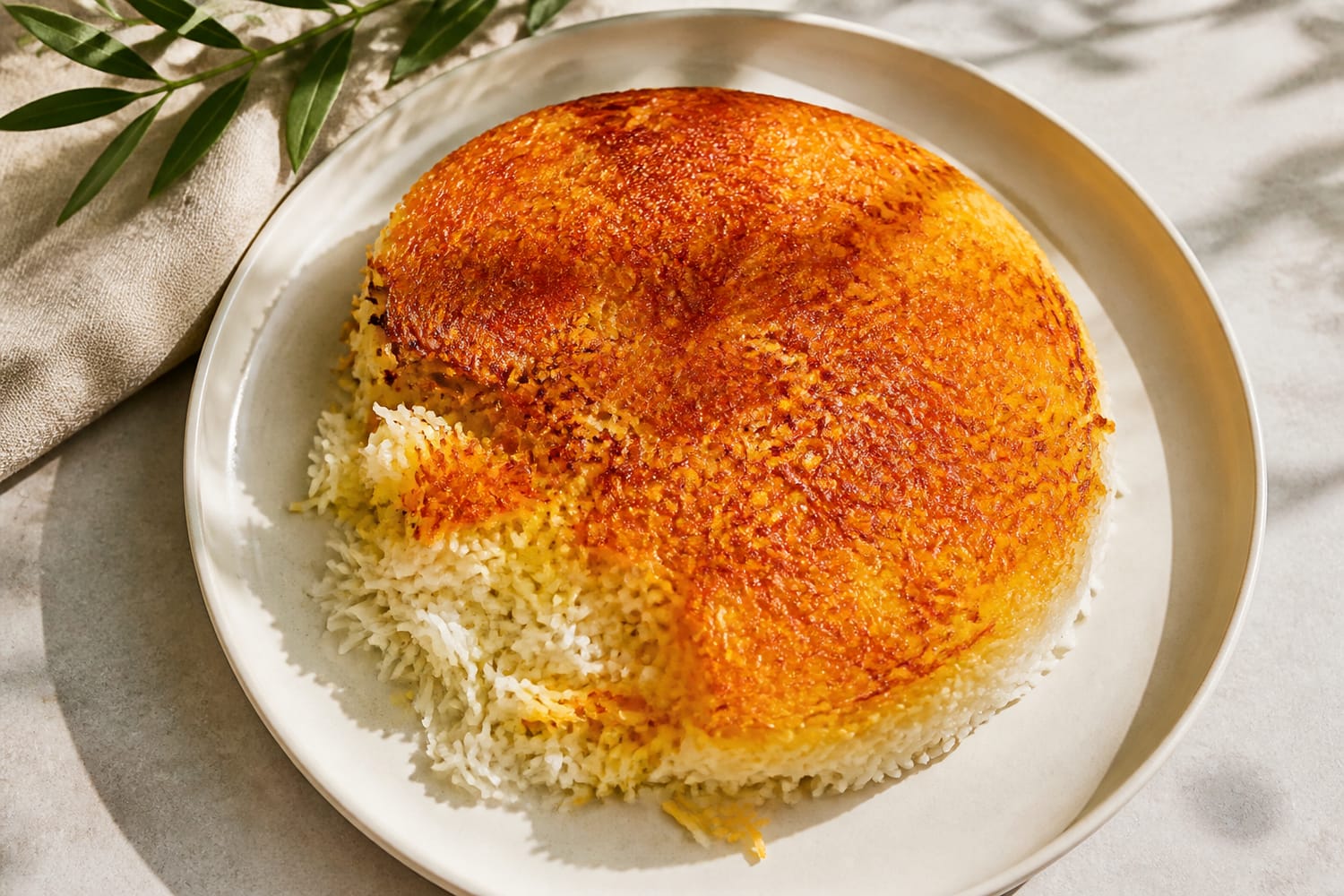
In many kitchens, rice stuck to the bottom of a pot signals failure. In Persian cooking, it becomes tahdig—the golden, crisp layer diners eagerly compete to claim.
Rice is steamed over butter or oil until the grains touching the pot form a unified crust. The result combines nutty, toasted flavor with a satisfying snap, contrasting with the fragrant, fluffy rice above it. Making excellent tahdig requires timing and patience, which is why this apparently simple crust is treated as a measure of skill. This guide to Iranian tahdig explores the precision behind it.
Valencian Paella
The prized layer beneath a pan of paella is known as socarrat. It develops when the cooking liquid has evaporated and the bottommost rice continues to toast against the hot metal.
Socarrat concentrates the flavors of stock, olive oil, saffron, vegetables, and meat into crisp, caramelized grains. Stirring the rice would prevent it from forming, so restraint is essential. The ideal crust is toasted and deeply golden rather than reduced to ash. For many paella lovers, scraping up those crunchy fragments is the meal’s grand finale. Even heat and careful timing help produce socarrat without scorching the entire pan.
Dolsot Bibimbap
Dolsot bibimbap is served in a blisteringly hot stone bowl filled with rice, seasoned vegetables, meat, egg, and gochujang. Once the ingredients arrive, the bowl continues cooking them at the table.
The rice pressed against the stone gradually becomes brown and crunchy, creating a Korean-style scorched crust. Mixing the dish distributes those crisp grains among softer rice, vegetables, and runny egg. The contrast is so important that diners often pause before stirring, giving the bowl time to produce more crust. It is a perfect example of how dishes that keep cooking at the table turn heat into part of the experience.
Kansas City Burnt Ends
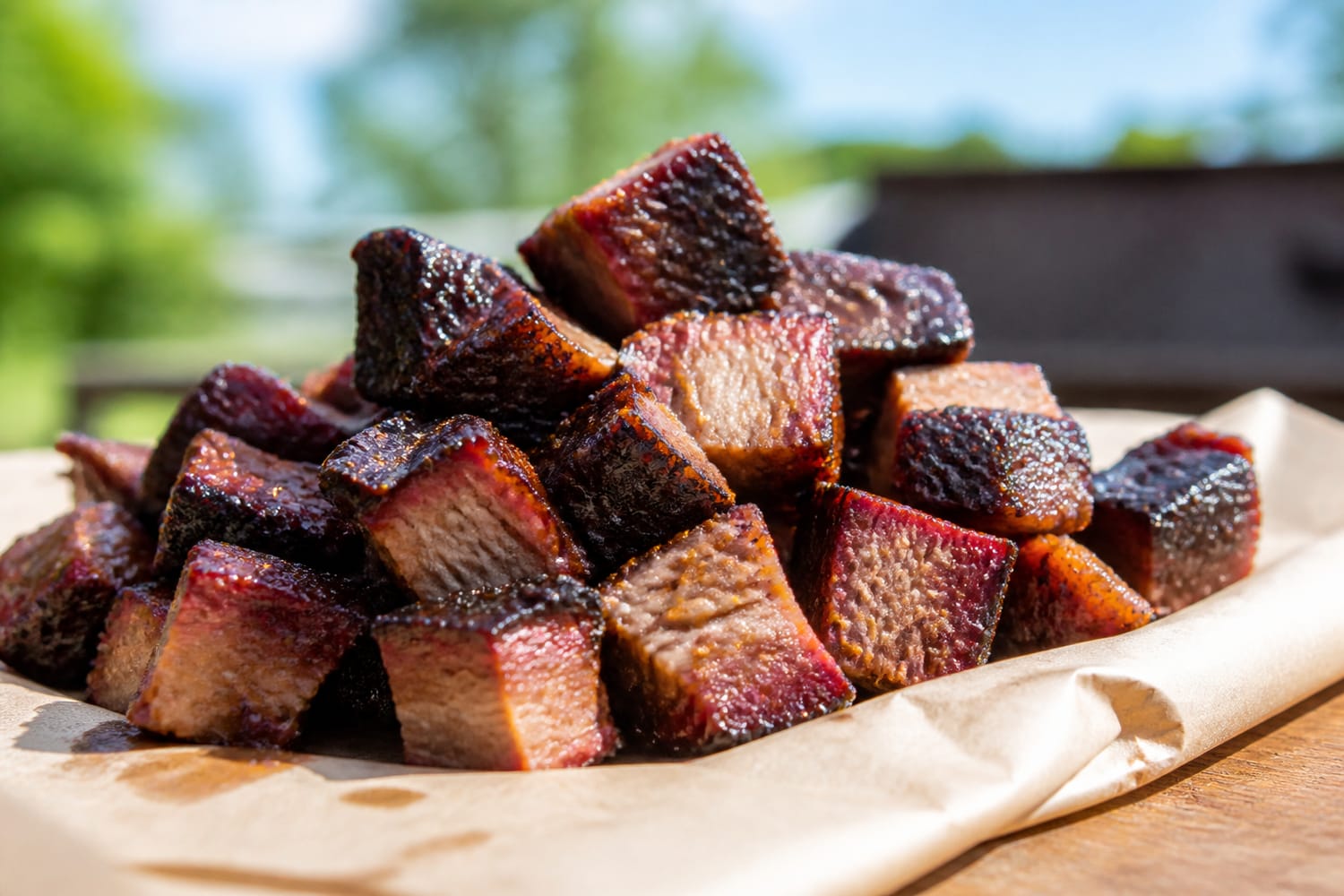
Burnt ends began as the dark, heavily seasoned edges of smoked beef brisket. Once considered scraps, these pieces became one of Kansas City barbecue’s most desirable specialties.
The brisket’s fatty point develops bark during its long exposure to smoke. The meat is then commonly cubed, sauced, and returned to the smoker, producing sticky edges and a tender center. Smoke, rendered fat, spices, and caramelized sauce combine in every bite. Despite the name, good burnt ends should not be dry cinders; they should be juicy pieces surrounded by intensely flavored bark.
Basque Burnt Cheesecake
Traditional cheesecake recipes usually aim for a pale top without cracks. Basque burnt cheesecake ignores those rules. It is baked at high heat until its surface turns dark brown, sometimes approaching black, while the middle remains creamy and custard-like.
The deeply caramelized exterior offsets the rich filling with smoky bitterness. It also provides a thin, delicate crust without graham crackers or pastry. The dramatic combination of a blackened top and jiggly center is not a flaw—it is the dessert’s defining feature.
Crème Brûlée
The name crème brûlée translates to “burnt cream,” although it is actually the sugar topping that receives the flame. A torch or broiler melts the sugar before browning it into a thin, glassy shell.
The topping’s bittersweet caramel flavor prevents the vanilla custard from becoming cloying. Texture matters just as much: breaking the brittle surface with a spoon and scooping up the cool cream beneath is central to the dessert’s appeal. Without that controlled burn, crème brûlée would simply be custard.
Baba Ghanoush
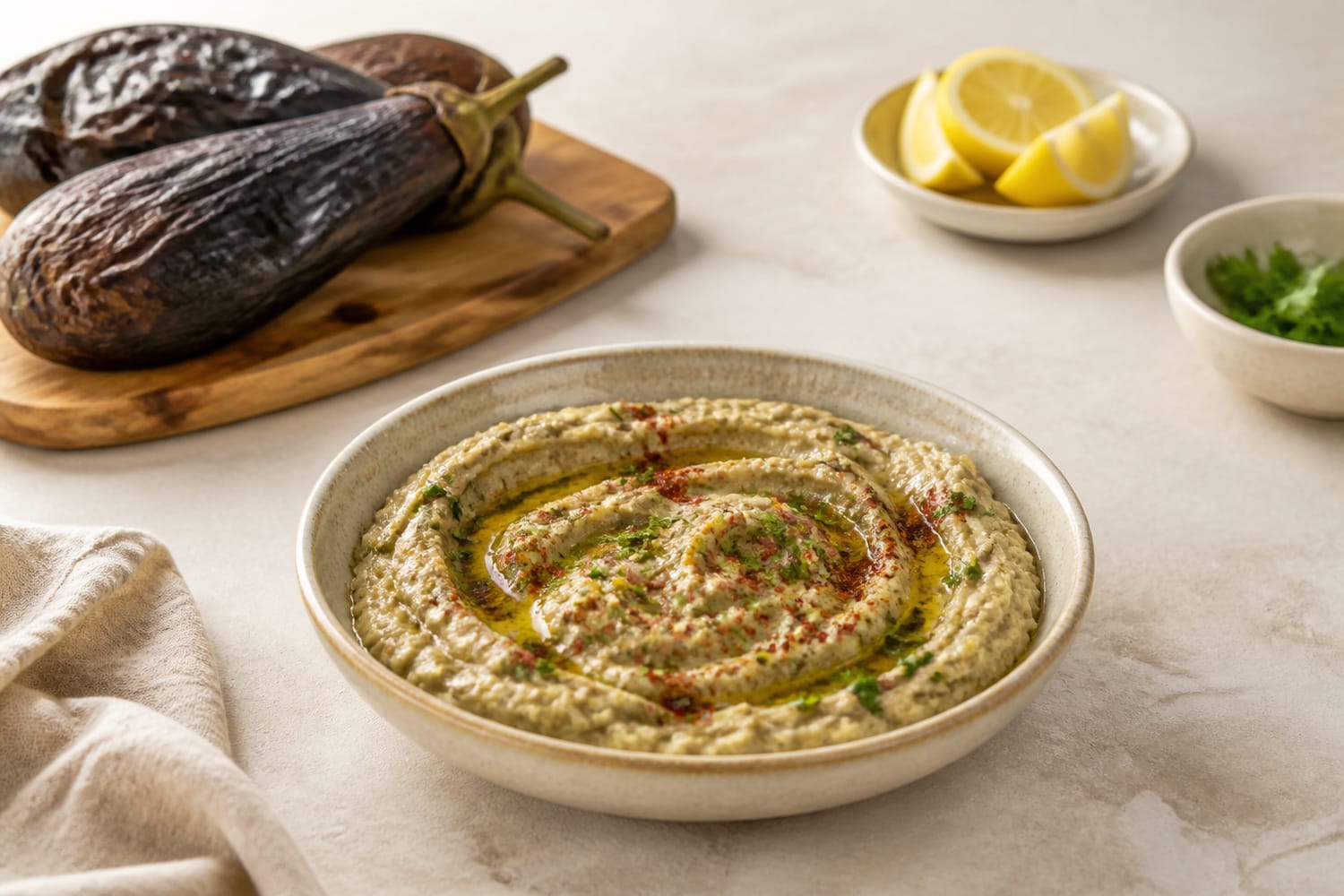
Baba ghanoush gets much of its personality from eggplants cooked until their skins blister, collapse, and blacken. The ruined-looking exterior protects flesh that becomes soft, silky, and infused with smoke.
Once the skin is removed, the eggplant is mixed with ingredients such as tahini, lemon, garlic, and olive oil. The char’s bitterness balances the sesame paste, while lemon restores brightness. Cooking vegetables over flame or embers is also among the world’s oldest approaches to building flavor, much like the traditions behind foods cooked underground.
Salsa Tatemada
For salsa tatemada, tomatoes, onions, garlic, and chiles are roasted on a hot comal or directly over flame until their surfaces develop black patches. Grinding the ingredients spreads those charred notes throughout the salsa.
Roasting mellows raw onion and garlic, concentrates tomato sweetness, and gives chiles a deeper, smokier character. The resulting salsa tastes more rounded and complex than one made entirely with raw produce. Leaving some blackened skin in the mixture is essential, though too much can overwhelm its freshness.
Campfire S’mores
Few people object when a marshmallow turns golden over a campfire, but some deliberately let it catch fire. After blowing out the flame, the marshmallow has a paper-thin black shell surrounding a molten interior.
That char adds bitterness to an otherwise intensely sweet combination of marshmallow, chocolate, and graham cracker. It also contributes smoke and an audible crackle. The trick is to singe the surface quickly without incinerating the center—or losing the marshmallow to the fire.
The Delicious Line Between Charred and Ruined
Successful charring depends on contrast. The entire dish should not taste burned; small darkened areas should sharpen and deepen everything around them. A squeeze of citrus, a creamy sauce, fresh herbs, or a little sweetness can further balance the bitterness.
When the interior remains tender, juicy, or creamy, blackened edges become an asset rather than an accident. From rice crusts to cheesecake tops, these dishes prove that some of cooking’s most memorable flavors live right at the edge of burned.